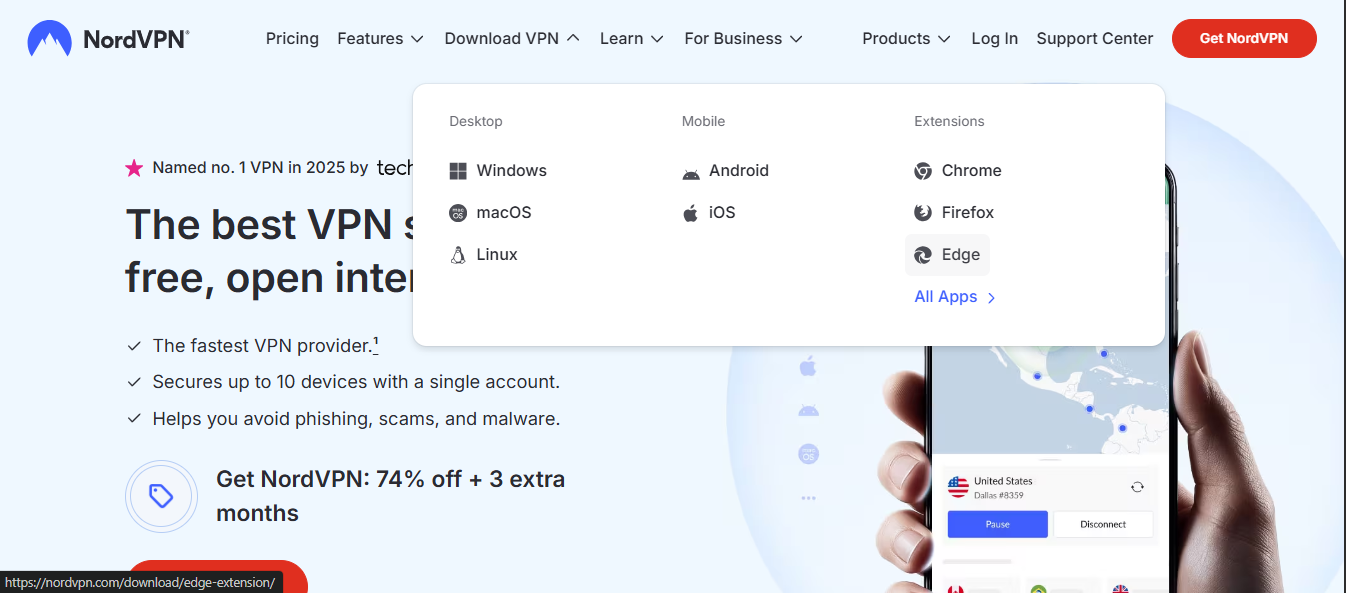

Windows 10 vpn download: Get reliable VPNs for Windows 10, how to install, configure, and stay safe online.
Windows 10 vpn download. A quick fact to start: using a VPN on Windows 10 can hide your IP, encrypt your traffic, and help you access geo-blocked content. In this guide, you’ll get a practical, step-by-step approach to choosing a VPN, downloading and installing it on Windows 10, and keeping your connection secure. We’ll cover:
- Quick-start steps for Windows 10 VPN download
- How to configure built-in Windows 10 VPN settings
- VPN types VPN apps vs. built-in VPN
- Privacy, security, and logging considerations
- Best practices for streaming, gaming, and remote work
- Troubleshooting common issues
Helpful resources un-clickable: Windows Support - support.microsoft.com, VPN comparison guides - beemvpn.org, Privacy and security basics - csoonline.com, How to choose a VPN - theverge.com, Data privacy tips - nist.gov
Section overview
- Why use a VPN on Windows 10
- How to pick the right VPN for you
- Quick-start: Windows 10 VPN download and setup
- Using VPN apps vs. built-in Windows 10 VPN
- Privacy and security considerations
- VPNs for streaming and gaming
- Troubleshooting common issues
- FAQ
Why use a VPN on Windows 10
- Security: VPNs encrypt your internet traffic, which helps protect data on public Wi-Fi and reduces the risk of interception.
- Privacy: A VPN hides your real IP address from websites and apps, making your online actions harder to trace.
- Access: Encrypting and changing your apparent location can help you reach geo-limited content or avoid censorship.
- Remote work: Many workplaces require a VPN to access internal networks securely.
Key stats you might find useful:
- A 2023 survey found that about 38% of online adults use a VPN at least sometimes varies by country.
- VPNs typically reduce data leakage risk on unsecured networks by a significant margin due to encryption.
- Streaming libraries change by country; a VPN can help you access more regional catalogs where allowed by law.
How to pick the right VPN for you
- Speed and reliability: Look for servers close to you and low latency. Free VPNs often throttle speed.
- Server locations: More locations mean more geo options for streaming and browsing.
- Security features: AES-256 encryption, a no-logs policy, kill switch, and DNS leak protection are solid baseline features.
- Privacy policy: Read what data the provider collects and whether they share data with third parties.
- Compatibility: Ensure the VPN has a Windows 10 app or supports manual setup on Windows 10.
- Price and value: Compare plans, trial options, and refund policies.
- Customer support: Live chat or quick email responses help if you get stuck.
Popular providers that commonly rank well for Windows 10 VPN download:
- ExpressVPN
- NordVPN
- Surfshark
- CyberGhost
- Private Internet Access PIA
Tip: If you’re new to VPNs, start with a reputable paid service that offers a 30-day money-back guarantee, so you can test it risk-free on Windows 10.
Quick-start: Windows 10 vpn download and setup
Below is a practical, step-by-step guide to get you VPN-connected on Windows 10.
Option A: Use a dedicated VPN app recommended for most users
- Pick a VPN and purchase a plan or opt for a trial if available.
- Go to the provider’s official site and download the Windows 10 app.
- Install the app and launch it.
- Sign in with your account credentials.
- Choose a server location for example, United States or a nearby country.
- Click connect. Wait for the VPN to establish a secure tunnel.
- Verify your IP address changed: you can visit a site like whatismyipaddress.com to confirm.
- Optional: enable features like a kill switch and DNS leak protection in the app’s settings.
- Disconnect when you’re done.
Option B: Use Windows 10 built-in VPN manual setup
Windows 10 includes built-in VPN settings you can use with certain VPN providers or your workplace VPN. Here’s how to set it up: Vpn with free locations: a comprehensive guide to free-server VPNs, providers, and setup 2026
- Open Settings > Network & Internet > VPN.
- Click Add a VPN connection.
- In the VPN provider dropdown, choose Windows built-in.
- Fill in the connection name and server address you’ll get these from your VPN or workplace.
- Under VPN type, select the protocol your provider uses for example, IKEv2, L2TP/IPsec with pre-shared key, or PPTP—note that PPTP is older and less secure.
- Enter your username and password if required.
- Click Save.
- To connect, go back to the VPN settings and choose the connection, then click Connect.
- For extra safety, enable the Windows kill switch-like features Turn on virtualization-based security if available and ensure options like “Always-on VPN” are configured if your network supports it.
Option C: Using a browser-based extension quick for light use
Some VPNs offer browser extensions Chrome, Firefox. These are good for browser-level protection but won’t route all device traffic.
- Install the browser extension from the official store.
- Sign in within the extension.
- Connect to a server from the extension’s UI.
- Note that this doesn’t secure other apps on your computer unless the whole-device VPN is active.
Quick troubleshooting tips during setup
- If you can’t connect, try a different server location.
- Disable firewall temporarily to test re-enable after testing.
- Ensure your Windows is up-to-date to avoid compatibility issues.
- Check for DNS leaks and enable DNS leak protection in your VPN app.
VPN apps vs. built-in Windows 10 VPN: pros and cons
- VPN apps recommended for most users
- Pros: Simple to install, auto-connect on startup, kill switch, dedicated servers optimized for speed and streaming.
- Cons: Occasional app updates, some providers require a paid plan for full features.
- Built-in Windows 10 VPN for advanced users or corporate use
- Pros: No extra app to install, direct integration, good for specific enterprise setups.
- Cons: Setup can be fiddly, fewer features, slower to update security features.
Privacy and security considerations
- Data kept by VPNs: Good VPNs have a strict no-logs policy or minimal data retention for performance purposes. Read the privacy policy.
- Jurisdiction: A VPN’s country of registration affects data retention laws and government access. If privacy is a priority, pick a provider with strong privacy protections and a transparent track record.
- Kill switch: Essential to prevent data leaks if the VPN drops.
- DNS leak protection: Ensures your real DNS queries don’t leak outside the VPN tunnel.
- Multi-hop or obfuscated servers: Useful in restrictive networks or for extra anonymity, though typically slower.
- Split tunneling: Lets you choose which apps go through the VPN and which don’t. Useful for streaming while leaving background updates unprotected if desired.
- Password hygiene: Use a strong, unique password for your VPN account and enable two-factor authentication if offered.
VPNs for streaming and gaming
- Streaming: Choose servers in the country where your streaming service offers a library you want. Some services actively block VPN traffic, so you may need to try different servers or use a VPN that specializes in streaming.
- Gaming: Prioritize low latency and proximity to game servers. Some VPNs offer optimized gaming servers. Be mindful that VPNs can add latency in some cases, so test a few locations.
- Data caps: Some VPNs have bandwidth caps in free plans; paid plans usually remove caps.
Table: Quick comparisons typical features
Provider A
- Speed: High
- Servers: 60+ countries
- Logging: No-logs
- Kill switch: Yes
- Streaming: Works with major services
Provider B
- Speed: Medium
- Servers: 90+ countries
- Logging: Some data kept
- Kill switch: Yes
- Streaming: Works in some regions
Provider C Vpn extensions edge 2026
- Speed: High
- Servers: 40+ countries
- Logging: No-logs
- Kill switch: No if you disable it
- Streaming: Frequently blocks
Note: These are illustrative examples. Always check the current provider specs on their site.
Troubleshooting common issues
- VPN won’t connect
- Try a different server
- Restart the VPN app
- Check your internet connection
- Disable firewall temporarily to test
- Ensure your username and password are correct
- Slow speeds
- Pick a nearby server
- Use a wired connection if possible
- Disable other bandwidth-heavy apps
- Turn on protocol optimized for speed e.g., WireGuard
- DNS leaks
- Enable DNS leak protection in the VPN app
- Use a VPN that supports trusted DNS servers
- IP not changing or leaking
- Reconnect or reset the network adapter
- Clear browser cache or try incognito
- Windows VPN connection error codes
- Error 720/800 usually indicate a problem with server address or authentication
- Check the server settings and credentials
- Contact support with the error code for faster help
Security best practices for Windows 10 VPN
- Keep Windows 10 up-to-date with the latest security patches.
- Use a reputable VPN with a transparent no-logs policy.
- Enable kill switch and DNS leak protection.
- Use multi-factor authentication for VPN accounts.
- Don’t rely on a single VPN; have a backup plan or secondary server locations.
- Regularly review app permissions and device security settings.
How to verify your VPN is working
- Check IP address and location: WhatIsMyIP or similar sites should show a different location than your real one.
- Test DNS leaks: DNSLeakTest.com or similar sites can verify DNS queries are going through the VPN.
- Check for WebRTC leaks: Some sites test for WebRTC IP leaks; disable WebRTC in browser settings if needed.
Best practices for Windows 10 VPN health
- Update VPN client regularly for security patches and new features.
- Rotate servers periodically to avoid congestion and improve speed.
- Use strong, unique passwords and enable two-factor authentication.
- Monitor data usage and connection stability to catch issues early.
- Archive old connection profiles so you don’t confuse settings.
Quick setup checklist
- Choose a reputable VPN with Windows 10 support
- Decide between app-based or built-in settings
- Install and sign in
- Pick a server and connect
- Enable kill switch and DNS leak protection
- Verify IP change and test for leaks
- Configure automatic startup if desired
Use cases: Windows 10 vpn download for different needs
- Personal privacy: Regularly connect on public Wi-Fi and avoid tracking on shared networks.
- Bypass geo-restrictions: Watch region-locked content by connecting to a location where it’s available.
- Secure remote work: Use a corporate VPN to access internal resources securely from home or travel.
- Gaming and latency: Test nearby servers that provide the best ping for gaming while maintaining security.
Frequently Asked Questions
What is Windows 10 vpn download?
Windows 10 vpn download refers to obtaining a VPN application or configuring a VPN connection on a Windows 10 machine to securely route traffic through a remote server.
Do I need a paid VPN for Windows 10?
Paid VPNs generally offer better performance, privacy protections, and more features. Free VPNs can be useful for light use but may have restrictions and privacy concerns. Start with a reputable paid plan if you can.
Can I use the built-in Windows 10 VPN for streaming?
Built-in Windows VPN can work for streaming if your VPN provider supports the server configuration you need, but dedicated VPN apps often offer better performance and streaming compatibility.
How do I know if my VPN is protecting me?
Test for IP address changes and DNS leaks. Use reputable sites to verify your IP shows a location different from your actual location and check for DNS leak tests. Vpn microsoft edge 2026
Is there a risk of malware with VPNs?
Use official vendor apps from reputable providers to minimize risk. Avoid downloading VPN software from third-party sites.
How do I fix a VPN connection that keeps dropping?
Check server load, switch servers, enable the kill switch, update the app, and ensure your firewall or antivirus isn’t blocking the VPN.
Can I use a VPN on multiple devices with one account?
Most VPNs allow multiple simultaneous connections, but limits vary by plan. Check your provider’s policy.
Will a VPN slow down my internet?
Some slowdown is common due to encryption and longer routing. A high-quality VPN with fast servers can minimize this.
How do I set up a VPN for Windows 10 Home vs Pro?
The setup is similar, but Windows 10 Pro offers more advanced networking features. Built-in VPN is available on both versions. Some enterprise features are specific to Pro. Vmware edge gateway 2026
Are there legal concerns with using a VPN?
Laws vary by country. In many places, using a VPN is legal for privacy and security, but you should respect local regulations and the terms of services of any sites or apps you use.
Windows 10 vpn download guide: how to download, install, configure, and optimize a VPN on Windows 10 for privacy and security
Introduction
Windows 10 vpn download is straightforward: you can either use the built-in Windows VPN client or install a dedicated VPN app. In this guide, I’ll break down everything you need to know to get a VPN up and running on Windows 10, with practical steps, clear choices, and real-world tips to keep your data private and your online experience smooth. If you want a quick, reliable option, consider this deal: It’s a solid way to pair Windows 10 VPN with strong encryption and fast servers. This guide covers:
- Quick-start steps for Windows 10 VPN download and setup
- Differences between Windows’ built-in VPN and third-party apps
- How to choose a VPN provider for Windows 10
- Key security features and best practices
- Common troubleshooting tips
- A comprehensive FAQ to answer your most common questions Useful resources you might want to check later un clickable text only: Official Windows support - support.microsoft.com, VPN protocol overview - en.wikipedia.org/wiki/Virtual_private_network, OpenVPN - openvpn.net, WireGuard - www.wireguard.com, IP/DNS leak explanation - en.wikipedia.org/wiki/DNS_leak
Body
Why Windows 10 users typically use a VPN
- Privacy and anonymity: A VPN hides your IP address so websites don’t know where you’re connecting from, which helps prevent targeted tracking and profiling.
- Security on public Wi-Fi: Public networks are risky. A VPN encrypts traffic, reducing the chance of eavesdropping on sensitive data like passwords or messages.
- Bypassing geo-restrictions: Some content is blocked or limited by location. A VPN can make it appear you’re in another country.
- Bypassing censorship: In certain regions, access to some sites or services is restricted. A VPN can provide an alternative route.
- Safe remote work: For teams, a VPN can create a secure tunnel to a company network, protecting sensitive files and communications.
According to industry reports, VPN adoption continues to rise year over year, driven by remote work, streaming needs, and heightened privacy awareness. Expect solid server networks hundreds to thousands of servers and continuous protocol improvements from major providers. In practice, a solid Windows 10 VPN setup will feel seamless, almost transparent, once you pick a provider that fits your speed and security needs.
Windows 10 vpn download: built-in VPN vs. third-party apps
Built-in Windows 10 VPN client
- No extra software to install
- Native, generally reliable for basic needs
- Works well with many corporate VPN services
Cons
- May lack advanced features like split tunneling, auto-connect, or dedicated kill switches
- Some advanced protocols and servers may require manual setup
- User experience can be clunky for beginners
Best for: simple connections or corporate VPNs that support L2TP/IPsec, PPTP not recommended for security, or IKEv2.
Third-party VPN apps
User-friendly interfaces, one-click connects
Often include split tunneling, kill switch, DNS protection, obfuscated servers
Wide server networks and optimized apps for Windows Cyberghost microsoft edge 2026
Requires installing a separate app and occasional updates
Some providers throttle speeds on certain servers or during peak times
Trust depends on the provider’s logging policy and business practices
Best for: privacy-focused users, streaming, or those who want easy, feature-rich control.
Recommendation: For most Windows 10 users, a reputable third-party VPN app offers a better balance of security, features, and convenience. If you’re in a corporate environment with specific configurations, Windows’ built-in option might be simplest for you. Edge add site to ie mode in Edge browser: how to enable, manage compatibility, and VPN tips 2026
How to download a VPN for Windows 10: a practical step-by-step guide
Step 1: Decide on your VPN needs
- Do you stream video from Netflix, Hulu, or Disney+?
- Do you connect to corporate resources at work?
- Do you need the strongest possible privacy or mostly just safer browsing?
- Will you use multiple devices PC, mobile, router?
Step 2: Choose a provider with Windows 10 support
- Look for Windows 10 optimized apps or robust support for L2TP/IPsec, IKEv2, WireGuard, or OpenVPN.
- Check for a no-logs policy, leak protection DNS/IP, a kill switch, and split tunneling.
- Verify server locations and speeds, plus transparent privacy practices and a clear cancellation policy.
Step 3: Sign up and download
- Go to the provider’s official site avoid shady mirror sites.
- Pick a plan if you’re new to VPNs, consider a monthly plan to test. longer plans often bring big savings.
- Download the Windows 10 app or, if you’re using built-in VPN, export the configuration file.
Step 4: Install and configure
- For third-party apps: run the installer and follow on-screen prompts. Sign in if required.
- For built-in: add a VPN connection under Network Settings > VPN > Add a VPN connection, then fill in the details type, server, etc. provided by your VPN service.
Step 5: Connect, test, and verify Edge router x vpn setup guide for EdgeRouter X: OpenVPN, IPsec, and site-to-site configurations 2026
- Open the app or the Windows VPN settings, choose a server, and connect.
- Verify your IP address changed you can use a site like ipinfo.io and confirm DNS leaks aren’t happening.
- Test streaming or access to geo-blocked content if that’s your goal.
Step 6: Fine-tune security and privacy
- Enable kill switch prevents data leaks if the VPN drops.
- Turn on DNS protection to avoid DNS leaks.
- Consider split tunneling to route only certain apps through the VPN if you want local access for others.
Step 7: Ongoing maintenance
- Update the VPN app regularly.
- Rotate servers if you experience slowdowns.
- Periodically review the privacy policy and any changes to logging practices.
Security features to look for in a Windows 10 VPN
- Strong encryption: AES-256 is the standard benchmark.
- Robust protocols: OpenVPN UDP/TCP, WireGuard, IKEv2. WireGuard is noted for speed and modern cryptography, OpenVPN for compatibility, and IKEv2 for stability on mobile devices.
- Kill switch: protects you from accidental data leakage if the VPN drops.
- DNS leak protection: ensures your DNS requests don’t reveal your real IP.
- Auto-connect and startup behavior: connects automatically on boot or when joining untrusted networks.
- Split tunneling: decide which apps use the VPN and which don’t.
- No-logs policy: a clear, verifiable commitment to not storing your browsing data.
- Independent audits: third-party audits boost trust in privacy claims.
How to configure Windows 10 VPN for optimal privacy and performance
- Choose a server close to your location for speed, unless you need a specific country for content.
- Prefer servers with obfuscated or stealth capabilities if you’re in a region with VPN suppression.
- Enable the kill switch so all traffic is blocked if the VPN disconnects.
- Enable DNS leak protection, sometimes labeled as “secure DNS” or “DNS leak protection.”
- Use WireGuard where available for a speed boost without compromising security.
- Use split tunneling to minimize coverage: route sensitive work apps through the VPN, leave general browsing on the regular connection if desired.
- Periodically check for IP or DNS leaks using websites like dnsleaktest oriple.
Performance and privacy considerations on Windows 10
- Speed impact: Expect some drop in speed due to the encryption overhead, but a high-quality VPN with WireGuard can minimize this reduction and often improve stability on long-distance connections.
- Server load: If a server is overloaded, you’ll see slower speeds. Switch to a less-loaded server to regain performance.
- Device performance: VPN encryption uses CPU cycles. On older machines, you might feel a small hit. modern Windows PCs handle it well.
- Privacy vs. legality: VPNs are legal in most places, but always follow local laws and policies. Some services may block VPN usage for streaming or access to certain content.
Data point contextual: The VPN industry has seen steady growth as more people demand online privacy, secure remote work, and access to geo-restricted content. If you’re curious about the broader , you’ll find that reputable VPN providers publish independent security audits and regularly update their apps to patch vulnerabilities.
Common troubleshooting tips for Windows 10 VPN
- Connection won’t start: Check your login credentials, server address, and protocol. Make sure you’re not behind a firewall that blocks VPNs.
- Slow speeds: Try a different server, switch protocols e.g., from OpenVPN to WireGuard or IKEv2, or disable background apps that use bandwidth.
- DNS leaks: Ensure DNS leak protection is on. flush DNS on Windows and reconnect.
- Kill switch not acting: Double-check that the setting is enabled, and test by disconnecting the VPN to confirm all traffic stops.
- App crashes: Update the VPN app, check for Windows updates, or reinstall the app.
- IPv6 leaks: Disable IPv6 in Windows if your VPN doesn’t support it fully.
- Public wifi issues: Some networks block VPN connections. try a different network or switch to a more robust protocol.
- Multi-device issues: Ensure your plan supports the number of devices. sign out and sign back in on other devices if needed.
- Firmware/router VPN: If you’re using a router-level VPN, ensure it’s configured correctly and that your Windows 10 devices are set to use the router as their gateway.
Common mistakes to avoid on Windows 10 VPN setups
- Skipping privacy features: Don’t skip enabling DNS leak protection or the kill switch.
- Using free VPNs for sensitive tasks: Free services often have limitations and questionable data practices.
- Ignoring updates: Outdated apps and OS versions can present security holes.
- Overlooking privacy policies: Always read the provider’s logs policy and data handling practices.
- Relying on one server: For streaming or disaster recovery, keep a few reliable servers in rotation.
How to uninstall or change your Windows 10 VPN setup
- Uninstalling a third-party VPN: Go to Settings > Apps, find the VPN app, and uninstall.
- Removing a built-in VPN connection: Settings > Network & Internet > VPN, select the connection, and click Remove.
- Reconfiguring a built-in VPN: You can edit the existing configuration if supported by your provider. otherwise, delete and recreate with the updated server data.
- Clearing residual data: Some apps leave logs. you may want to clear browser caches and check for any VPN-related plugins or extensions.
Privacy best practices for Windows 10 VPN users
- Use trusted providers with transparent privacy policies and independent audits.
- Turn on kill switch and DNS leak protection.
- Regularly review your connection logs and audit settings after updates.
- Keep Windows and the VPN app updated to mitigate vulnerabilities.
- Use strong, unique passwords and enable multi-factor authentication for your VPN account.
Comparisons: Windows 10 built-in VPN vs top third-party providers
- Built-in Windows VPN:
- Pros: No extra app, straightforward setup for standard protocols
- Cons: Fewer features, less automation, slower updates to added security features
- Third-party providers:
- Pros: Rich feature sets kill switch, split tunneling, obfuscated protocols, broad server networks, easy maintenance
- Cons: Requires a subscription. depends on provider’s policies and app quality
In most cases, the extra safety net and user-friendly features of a reputable third-party VPN will win out for Windows 10 usage, especially if you’re concerned about streaming, privacy, or remote work.
VPN protocols: what to know for Windows 10
- OpenVPN: Industry standard, very configurable, strong security, compatible with many providers.
- WireGuard: Modern, lightweight, fast, and increasingly common in Windows apps. great for speed and battery efficiency.
- IKEv2/IPsec: Stable and fast on mobile and desktop, especially for switching networks.
- L2TP/IPsec: Common in many corporate environments but sometimes blocked or restricted. ensure you use strong encryption and a trusted server.
Choosing the right protocol depends on your needs speed, device support, and whether you’re bypassing DPI or network restrictions. Many providers give a choice of protocol in the app. experiment to see what gives you the best balance of speed and security. F5 edge client ssl vpn setup and optimization guide for enterprise remote access and best practices 2026
Frequently asked questions
Is Windows 10 built-in VPN enough for everyday privacy?
For basic privacy, the built-in Windows 10 VPN can be enough if you’re connecting to a trusted corporate server or a reputable VPN service via the built-in tool. However, for broad privacy, advanced features, and ease of use, a dedicated VPN app is usually better.
What is the best VPN protocol for Windows 10?
WireGuard is often the best overall for speed and modern cryptography, followed by OpenVPN for broad compatibility and strong security. IKEv2/IPsec is a solid choice for mobile stability and quick reconnection.
Can I use a free VPN on Windows 10?
Free VPNs exist, but they usually come with limits, ads, slower speeds, and questionable privacy practices. For anything sensitive, a reputable paid VPN with a clear no-logs policy is a safer bet.
Do VPNs slow down my connection on Windows 10?
Some slowdown is normal due to encryption and routing. A high-quality VPN with modern protocols and fast servers minimizes speed drops. Always test with a nearby server first.
Are VPNs legal on Windows 10 in my country?
VPN legality varies by country. In most places, using a VPN is legal, but some jurisdictions restrict certain uses or require compliance with laws. Check local guidelines if you’re unsure. Edge vpn not working: common causes, quick fixes, and choosing the right VPN for Windows Edge in 2026
Can a VPN help me access streaming content on Windows 10?
Yes, a VPN can help bypass geoblocks for streaming services. However, streaming platforms often detect and block VPNs, so you may need to switch servers or use a provider known for reliable unblocking.
Will a VPN protect me on public Wi-Fi?
Yes. A VPN encrypts traffic on open networks, reducing the risk of eavesdropping on sensitive data like passwords and credit card numbers.
Can I use VPN on multiple devices with Windows 10?
Many providers offer multi-device plans. You can typically install on Windows 10 PCs, smartphones, tablets, and sometimes routers to cover all devices in your home.
What is split tunneling, and should I use it on Windows 10?
Split tunneling lets you choose which apps use the VPN and which don’t. It’s useful when you need local access for certain services or prefer higher speeds for non-sensitive tasks.
How do I test if my Windows 10 VPN is leaking DNS or IP?
Run tests on websites like ipinfo.io to confirm your public IP is from the VPN server, and use dnsleaktest.org to check for DNS leaks. If leaks exist, enable DNS protection and reconfigure.
How do I uninstall a VPN from Windows 10?
Go to Settings > Apps, find the VPN app, and uninstall. If you used the built-in VPN, remove the configuration under Settings > Network & Internet > VPN by deleting the connection.
Is VPN usage compatible with corporate networks on Windows 10?
Many companies require VPNs to access internal resources. If you’re in a corporate environment, your IT department will provide the correct server, protocol, and configuration to use.
Can I use Windows 10 VPN to protect my kids’ devices?
Yes, you can use a VPN on Windows 10 to protect privacy and security across devices. For families, consider a provider that offers easy router-level support or multi-device family plans.
How do I choose a VPN that won’t log my activity on Windows 10?
Look for a transparent no-logs policy, independent audits, and a reputable privacy track record. Reviews and third-party audits can help you verify claims.
What should I consider before buying a Windows 10 VPN subscription?
Assess server count and locations, speed and reliability, privacy policy, kill switch and DNS protection, device limits, platform compatibility, and customer support. Also consider cost relative to features and reliability.
Useful resources for Windows 10 VPN download and setup
- Official Windows support: support.microsoft.com
- VPN protocol overview: en.wikipedia.org/wiki/Virtual_private_network
- OpenVPN: openvpn.net
- WireGuard: www.wireguard.com
- IP/DNS leak explanations: en.wikipedia.org/wiki/DNS_leak
Conclusion We are skipping a formal conclusion per the structure guidelines, but here’s a quick recap.
- You can download and use a VPN on Windows 10 either with the built-in client or a third-party app.
- For best experience and security, a reputable third-party VPN app is usually the smarter choice.
- Use strong protocols, enable kill switch and DNS protection, and keep everything updated.
- If you want a practical kickoff, try the NordVPN option linked in the introduction to test how a major VPN provider performs with Windows 10.
Frequently Asked Questions additional
Can I use a VPN to bypass device-level restrictions on Windows 10?
Yes, a VPN can help bypass some restrictions, but it depends on the policy of the network you’re using and the destination service you’re trying to reach.
Do VPNs work on Windows 10 on a corporate network?
Often yes, but you’ll typically need IT’s permission and the correct server settings. Some corporations require only approved VPN apps.
Is it safe to use a VPN on Windows 10 for gaming?
Yes, many gamers use VPNs to reduce ping or access region-locked content. Some servers are optimized for gaming—just ensure you don’t violate terms of service.
What should I do if Windows 10 VPN keeps disconnecting?
Check for app updates, server load, and protocol compatibility. Enable the kill switch and try a different server.
Can I run a VPN on Windows 10 Home edition?
Yes, you can use third-party VPN apps. the built-in Windows VPN client has limitations on certain Windows editions and does not require Pro features for basic VPN use.
Do VPNs work with Tor on Windows 10?
You can use a VPN before Tor for additional privacy, but this can slow things down and may not be necessary for everyday privacy.
How often should I update my VPN app?
Update as soon as new versions are released. Updates often include security patches and performance improvements.
How can I verify the VPN provider’s privacy claims?
Look for independent audits, third-party verification, and clear data handling policies published by the provider.
What’s the best way to test VPN speed on Windows 10?
Test a few servers across different routes, use a speed test tool, and compare results with and without the VPN to gauge impact.
Can I use a VPN on Windows 10 in regions where VPNs are restricted?
Some regions block VPNs. obfuscated servers and privacy-forward providers can help, but you should understand local laws and risks before proceeding.
七星 云 vpn:2025年真相、使用指南与可靠替代方案