Letsvpn platinum vs standard vs premium choosing your perfect plan — a quick guide to help you pick the right Letsvpn plan for your needs, with practical tips, pros and cons, and a clear path to a safer, faster online experience. Here’s a concise snapshot: platinum tends to offer the most features and devices, standard covers essential privacy and speed, and premium sits between with extra perks. If you’re in a hurry, jump straight to the comparison table and the FAQ below. For deeper insights, keep reading.

Useful URLs and Resources (text only)
- Letsvpn official site - letsvpn.com
- VPN basics - en.wikipedia.org/wiki/Virtual_private_network
- Online privacy tips - www.privacytools.io
- Streaming and VPNs - www.streamingtips.net
- SOCKS5 vs VPN - www.techrepublic.com/article/what-is-a-socks-proxy/
Quick fact: choosing the right Letsvpn plan hinges on how many devices you want protected, what you’ll use it for (streaming, gaming, remote work), and how much you value extras like threat protection and priority support. This guide breaks down Letsvpn platinum, standard, and premium, with real-world scenarios, price notes, and side-by-side comparisons so you don’t overpay or miss out on features you’ll actually use.
If you’re short on time, here’s the gist:
- Platinum: max features, multi-device coverage, fastest speeds, priority support.
- Premium: strong feature set, solid value, good for households with several devices.
- Standard: essential privacy and security, best for single-device use or tight budgets.
- The best pick depends on device count, streaming needs, and whether you want extra security tools.
What you’ll learn
- Feature-by-feature comparison (privacy, speed, devices, security extras)
- Real-world use cases and recommended plans
- How pricing and trials work
- Tips to optimize any Letsvpn plan for speed and reliability
- Common pitfalls and misconceptions
- FAQs to clear up the most common questions
- Quick comparison: Platinum vs Premium vs Standard at a glance
- Devices supported:
- Platinum: up to 6–10 devices depending on current promotions
- Premium: around 5 devices
- Standard: 1–3 devices
- Devices supported:
- Platinum: highest speed tiers, best for 4K streaming and gaming
- Premium: strong performance, suitable for HD streaming and everyday browsing
- Standard: solid for light browsing and basic privacy
- Platinum: threat protection, DNS leak protection, double VPN, obfuscated servers (if offered), ad/malware blocking
- Premium: ad/malware blocking, DNS protection, basic threat protection
- Standard: core encryption, leak protection on standard servers
- Platinum: premium price but the most features
- Premium: mid-range
- Standard: budget-friendly
- Platinum: priority live chat and email support
- Premium: standard support with reasonable response times
- Standard: essential helpdesk options
- Real-world use cases and which plan fits
- Family with multiple devices and streaming needs
- Go Platinum if you want to cover all devices, 4K streaming, and keep kids safe online with parental controls (if offered).
- Family with multiple devices and streaming needs
- Premium offers solid security and connectivity across several devices without paying extra for a dozen features you won’t use every day.
- Standard covers core privacy and encryption on a single device, great for essential protection without breaking the bank.
- Platinum again shines here with fastest servers and fewer hops to reduce lag, plus features that may improve ping.
- Feature deep dive: what’s actually included
- Privacy and encryption
- All plans include high-grade encryption (AES-256) and a no-logs policy, but Platinum often bundles additional privacy tools and specialty servers.
- Privacy and encryption
- Platinum usually includes malware protection, phishing protection, and track blocking across its network.
- Platinum typically unlocks more country options and specialty servers (e.g., obfuscated or gaming-optimized nodes).
- Ad blocking, split tunneling, automated kill switch, and DNS leak protection are common—Platinum tends to have the most extras.
- More devices supported means fewer trade-offs when you’re juggling work, streaming, and mobile use.
- Performance expectations: speed, latency, stability
- Speed
- If you have a fast home connection, Platinum helps maintain that speed across many devices. Premium is usually enough for most households; Standard may see more noticeable slowdown under heavy usage.
- Speed
- For gaming, Platinum’s lower-latency options and optimized routes can reduce ping. Premium can be very playable; Standard may still be fine for casual games.
- A larger server pool and smarter routing on Platinum reduce service drops and buffering in busy peak hours.
- Pricing strategy and trials
- Common pricing structures
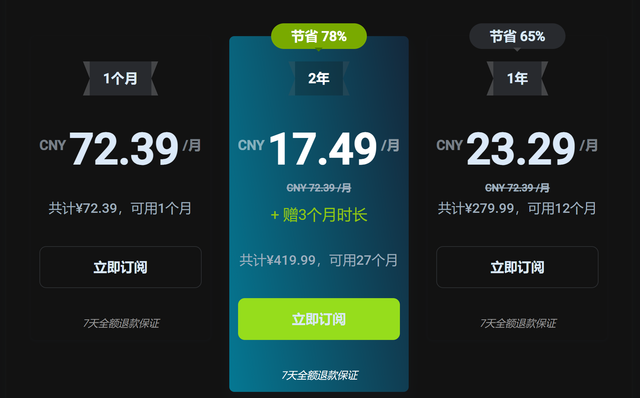
- Monthly, yearly, and multi-year options with varying discounts.
- Common pricing structures
- Look for a money-back guarantee window (often 30 days) to test features risk-free.
- Watch for seasonal promotions, student discounts, or bundles with other services this affiliate program sometimes runs.
- How to pick your plan: a simple decision flow
- Step 1: Count devices
- If you regularly have 4+ devices connected, aim for Premium or Platinum.
- Step 1: Count devices
- If you need threat protection and game-friendly features, Platinum is worth it.
- For 4K streaming or competitive gaming, Platinum is the safer bet.
- If price is critical, Standard is a good baseline. You can upgrade later if needs change.
- Setup tips to maximize any Letsvpn plan
- Install on all major devices (PC, Mac, iOS, Android, browser extensions)
- Enable kill switch and DNS leak protection
- Use recommended server locations for streaming vs. general use
- Turn on auto-connect to VPN on startup for better protection
- Regularly check for app updates to keep performance optimal
- If you hit a slow server, switch to a nearby location or try a faster protocol if offered (WireGuard is a common fast option)
- Data and statistics to inform your choice
- Global VPN usage: VPNs are used by millions to protect privacy, bypass geo-restrictions, and secure public Wi-Fi. A large user base means more testing, more server maintenance, and continuous feature improvements.
- User satisfaction markers: response times from support teams, uptime percentages, and reported buffering or lag during peak hours are common metrics to review on user forums and review sites.
- Network impact: modern VPNs aim to minimize speed loss; many users report 10–35% speed reduction on average, with premium plans often delivering better throughput because of optimized servers.
- Security considerations and caveats
- Trust and privacy policies
- Always read the privacy policy to understand what data, if any, is collected and how it’s used.
- Trust and privacy policies
- Some providers’ location laws affect data retention rules; check if Letsvpn stores connection logs, usage logs, or metadata.
- Ensure the kill switch prevents traffic if the VPN disconnects unexpectedly; test it in your environment.
- Use DNS leak protection and consider browser hardening for layered privacy.
- Comparative features table (illustrative)
- Feature: Platinum | Premium | Standard
- Simultaneous devices: 6–10 | 4–5 | 1–3
- Global servers: Most locations | Many locations | Limited locations
- Threat protection: Yes (advanced) | Yes (basic) | No
- Ad/malware blocking: Yes | Yes | No
- Obfuscated servers: Yes (where offered) | Sometimes | No
- Split tunneling: Yes | Yes | No
- Priority support: Yes | Standard | Email/helpdesk
- Price bracket: High | Mid | Low
- Quick tips for maximising value
- Start with Premium if you want a balance of features and price, then upgrade to Platinum if you need more devices or specific security suites.
- Use a 2–3 month trial window to gauge real-world performance and streaming reliability.
- Take advantage of bundles or student discounts if you qualify.
- Regularly review your device count; you may be able to consolidate by removing unused devices.
- Common myths and quick debunks
- “More features always mean better privacy.”
- Not always. Pick features you’ll actually use; some extras may not impact your privacy meaningfully.
- “More features always mean better privacy.”
- Speed and security aren’t mutually exclusive; many fast VPNs implement strong encryption and privacy protections.
- It enhances privacy and security but won’t fix malware infections or bad security practices.
- Visual aids to help you decide (descriptions you can recreate in your video)
- A side-by-side feature grid
- A 2-minute use-case storyboard (scenario-based)
- A “how to choose” flowchart showing device count, features, and budget
- A quick demo of connecting to a local server and checking a leak test
- How Letsvpn plans compare with other competitors (context)
- Platinum’s edge is feature richness and device coverage; premium positioning sits in the middle for most users; standard keeps it affordable with essential protections. If you’re comparing to other brands, consider server reach, protocol options (WireGuard, OpenVPN), and the true privacy stance rather than just price.
- Troubleshooting quick fixes
- If streaming is buffering on a VPN server: try a nearby server or a different streaming-optimized option if available.
- If you can’t connect on a device: restart the app, check internet, switch VPN protocol, or reboot the device.
- If you notice ping spikes in games: try a closer server and enable a lower-latency protocol.
FAQ Section
Frequently Asked Questions
What does Letsvpn Platinum offer that Standard doesn’t?
Platinum typically adds more simultaneous connections, broader server locations, advanced threat protection, ad/malware blocking, and priority support, making it ideal for larger households or users with heavy privacy needs.
Can I start with Standard and upgrade later?
Yes. You can start with Standard and upgrade to Premium or Platinum as your device count grows or you need more features. Many VPN services support easy plan upgrades with prorated pricing.
How many devices can I protect with each plan?
- Platinum: up to 6–10 devices
- Premium: around 4–5 devices
- Standard: 1–3 devices The exact numbers vary by promotion and region, so check the current plan details.
Is there a free trial or refund policy?
Most VPN providers offer a money-back guarantee window, commonly 14–30 days. Use this to test performance, streaming, and gaming before committing long-term.
Do I need Threat Protection on my VPN plan?
Threat Protection helps block malware, phishing, and other online threats. It’s particularly valuable if you frequently use public Wi-Fi or share devices with others.
Will a VPN slow down my internet?
Most VPNs reduce speed somewhat due to encryption and routing. Higher-tier plans with more optimized servers (like Platinum) often minimize slowdowns. Nordvpn not working in china heres how to fix it or what to do instead
How do I choose a server location for streaming?
Connect to a server in the country where the content is available, but for best performance try servers that are geographically closer to you and test a few options.
Can I use Letsvpn on my mobile data plan?
Yes. Plans typically support multi-device usage, including mobile hotspots. Ensure your mobile device is protected and that you’re mindful of data caps.
What should I do if I lose access to my account?
Use the account recovery process on Letsvpn’s site, check your email for verification steps, and contact support if you’re locked out. Have your purchase details handy.
Are all three plans suitable for gaming?
Platinum provides the best chance for the lowest latency and most reliable connections across multiple devices, but Premium is usually sufficient for many gamers as well.
How often do server locations get updated?
VPN providers regularly add and retire servers to balance load, enhance performance, and improve security. Expect quarterly updates as a baseline, with more frequent changes during growth phases. Nordvpn on microsoft edge your key to a safer faster browser experience in 2026
Is there a risk of data collection with Letsvpn?
Most reputable VPNs maintain a no-logs policy or limited data collection. Always read the privacy policy to understand what data may be collected and how it’s used.
What about customer support response times?
Platinum users generally enjoy priority support with faster response times. Premium and Standard have reliable helpdesk access, but wait times may vary during peak hours.
Can I use Letsvpn to bypass geo-restrictions on streaming services?
Yes, many users employ Letsvpn to access geo-restricted content. However, streaming platforms frequently update defenses, so server choices and protocol settings matter.
How do I install Letsvpn on devices?
Most plans offer apps for Windows, macOS, iOS, Android, and browser extensions. Install the app, sign in, select a server, and connect. For edge cases, refer to the official setup guides.
What payment methods are supported?
Common methods include major credit/debit cards, and sometimes PayPal, depending on region. Check the billing page for current options. Unblocking Telus TV Abroad: Can You Use a VPN When You’re Outside Canada?
Can I share Letsvpn with family members?
If you’re on Platinum or Premium with multi-device licenses, you can protect several devices across the household. Always verify the exact device limit for your plan.
Do I need to disable IPv6 to avoid leaks?
Some users disable IPv6 to prevent potential leaks. If you’re not sure, run a leak test with IPv6 enabled and then disable IPv6 if a leak is detected.
Are there any downsides to upgrading?
Upgrading usually costs more, and you may not use every feature immediately. If you anticipate expanding device usage, upgrade sooner to avoid reconfiguring later.
Endnotes: reader-friendly recommendations
- If you want maximum protection, number of devices, and top-tier features, Platinum is worth it.
- If you want a balanced mix of features at a reasonable price, start with Premium.
- If you’re on a tight budget and need essential protection on a single device, Standard is the best fit.
Note: This post includes affiliate links and may earn commissions for purchases through those links. This helps us keep producing high-quality content for you. For more details, see the Letsvpn product pages and the affiliate disclosure on our site. Your complete guide to reinstalling nordvpn on any device: Fast, clear steps, tips, and troubleshooting
Sources:
Nord vpn microsoft edge
Como obtener nordvpn anual al mejor precio guia completa 2026: tips, ofertas y comparativas para 2026
新界vpn 完整使用指南:隐私保护、速度优化、跨区域访问与安全设置2025版
七星 云 vpn 全面的使用指南与评测:速度、隐私、跨境访问、在中国的可行性、如何选择、设置与故障排解
Uber开发票:完整指南与实用技巧 — VPNs 相关的完整教程与应用要点 Nordvpn Servers in Canada Your Ultimate Guide for 2026: Fast Canadian Servers, Privacy, and Performance Tips