Is vpn safe for cz sk absolutely but heres what you need to know: a comprehensive guide to safety, legality, and practical tips
Is vpn safe for cz sk absolutely but heres what you need to know. Quick fact: a VPN is generally safe to use in the Czech Republic CZ and Slovakia SK when you choose a reputable provider, follow best practices, and respect local laws. This guide breaks down safety, legality, performance, and how to pick the right VPN for CZ and SK users. Below you’ll find a practical, easy-to-digest roadmap with real-world tips, data, and scenarios to help you stay private and secure online.


- Quick-start summary:
- Pick a trusted VPN with a strict no-logs policy, strong encryption, and a solid privacy stance.
- Enable features like kill switch, DNS leak protection, and multi-hop where available.
- Be aware of local regulations and content-availability considerations in CZ and SK.
- Test your setup and periodically review VPN policies and jurisdiction.
Useful resources unlinked text: Apple Website - apple.com, Wikipedia Privacy - en.wikipedia.org/wiki/Privacy, EU GDPR overview - ec.europa.eu, Czech Data Protection Act - judiciary.cz, Slovak Data Protection Authority - datenschutz.gov.sk
Table of Contents
- Why a VPN matters for CZ and SK users
- How VPNs work: a quick refresher
- Safety and privacy: what to look for in a VPN
- Legal landscape in CZ, SK, and the EU
- Performance considerations and how to test
- Choosing the right VPN: features you need
- Common VPN myths debunked
- Practical setup guide: step-by-step
- Real-world use cases in CZ and SK
- Security hygiene: beyond the VPN
- FAQ
Why a VPN matters for CZ and SK users
For residents of the Czech Republic and Slovakia, a VPN isn’t just for bypassing geo-restrictions. It’s a privacy tool that helps protect you on public Wi‑Fi, shields your traffic from eavesdroppers on shared networks, and reduces tracking by advertisers and some data-hungry apps. In both countries, the online landscape includes a mix of streaming services, local and international content, and a growing emphasis on digital privacy. A solid VPN can help you:
- Encrypt internet traffic to prevent prying eyes on public networks
- Hide your real IP address and improve online anonymity
- Bypass geo-blocks for global streaming catalogs where legal
- Mitigate ISP traffic shaping and throttling on certain services
- Access business tools securely when working remotely
How VPNs work: a quick refresher
- A VPN creates a secure tunnel between your device and a VPN server.
- Your internet traffic is encrypted, and your IP address appears as the server’s IP.
- Some providers offer obfuscated servers, split tunneling, or multi-hop routes for extra privacy.
- DNS leak protection and a kill switch help ensure your traffic doesn’t leak if the VPN drops.
Safety and privacy: what to look for in a VPN
Key features to prioritize:
- Strong encryption: AES-256 and modern protocols WireGuard, OpenVPN.
- No-logs policy: independent audits and transparent privacy statements.
- Jurisdiction: providers based outside intrusive surveillance regimes are preferable; many EU-based providers are good but watch for data retention laws.
- DNS and IP leak protection: ensure DNS requests don’t reveal your ISP.
- Kill switch: automatically stops traffic if the VPN disconnects.
- Multi-hop and obfuscated servers: for extra privacy in restrictive environments.
- Threat model awareness: consider metadata gathering, connection logs, and payment privacy.
- User experience: reliable apps, easy setup, and responsive support.
- Simultaneous connections and device compatibility: cover all your devices PC, mobile, router if needed.
- Billing anonymity: consider payment options like gift cards or privacy-friendly methods if desired.
Important tip: always verify the VPN’s claims with independent audits or third-party reviews. If you’re unsure, run a quick test for DNS leaks and IP address visibility after connecting.
Legal landscape in CZ, SK, and the EU
- EU-wide: GDPR applies, giving strong data protection rights but also introducing compliance requirements for processors and controllers.
- Czech Republic: data protection is aligned with EU standards; the country has a mature legal framework governing privacy, data retention, and law enforcement access, with ongoing debates about surveillance powers.
- Slovakia: similar to CZ, Slovakia follows EU data protection rules, but local enforcement can vary by agency and case.
- Important caveat: VPN usage itself is not illegal in these countries. The legality concerns typically revolve around what you do with the VPN illegal activity remains illegal and data retention or surveillance requests. Always avoid criminal activity and stay informed about any national security or content restrictions.
Practical tip: keep an eye on any local reforms or court cases that affect privacy rights. When in doubt, consult a local privacy advocate or legal resource.
Performance considerations and how to test
- Protocol choice matters: WireGuard tends to offer faster speeds with good security. OpenVPN remains solid for broad compatibility.
- Server location: closer servers usually mean lower latency; for CZ/SK users, nearby servers in Central Europe are ideal.
- Bandwidth and load: peak times can slow down connections; choose a provider with enough capacity and a broad server network.
- Real-world test steps:
- Connect to a nearby server e.g., Czech Republic or neighboring Germany/Austria and run a speed test.
- Check for IP and DNS leaks using reputable online tools.
- Test streaming access for your services where permitted.
- Verify kill switch and app behavior if the VPN disconnects.
- Try a few different servers to gauge stability.
Choosing the right VPN: features you need
- Core protection: WireGuard or OpenVPN, AES-256 encryption.
- Privacy policy: explicit no-logs, independent audit reports if possible.
- Server diversity: a broad Central European footprint plus international options.
- Extra privacy features: kill switch, DNS leak protection, malware/ad blocking optional, split tunneling.
- Compatibility: apps for Windows, macOS, iOS, Android, Linux; consider router support for home networks.
- Customer support: 24/7 live chat or fast response times.
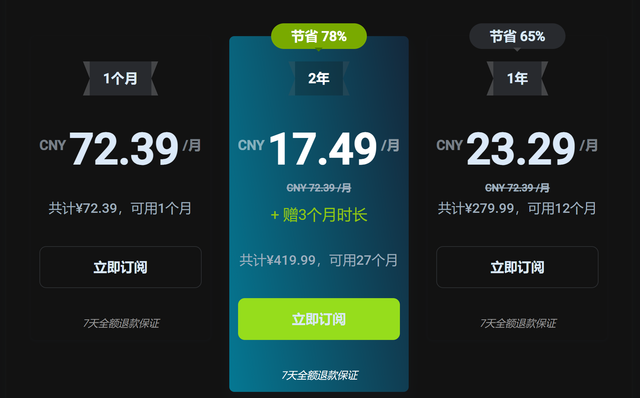
- Pricing and value: look for long-term plans with reasonable renewal rates; consider student or multi-year discounts if applicable.
- Jurisdiction: while EU-based providers are popular, also check the country of registration and data retention laws.
Common VPN myths debunked
- Myth: VPNs are illegal in CZ or SK. Reality: VPN usage is not illegal; illegal activity remains illegal. Use responsibly and respect local laws.
- Myth: All VPNs keep logs. Reality: Reputable providers publish no-logs policies and may offer independent audits.
- Myth: VPNs guarantee complete anonymity. Reality: VPNs enhance privacy but don’t make you invincible. Combine with good digital hygiene.
- Myth: Free VPNs are just as safe. Reality: Free services often monetize your data or have weaker protections; paid, reputable VPNs are usually safer.
- Myth: VPNs slow you to a crawl. Reality: VPNs can improve or maintain speed depending on server choice and protocol; optimization matters.
Practical setup guide: step-by-step
- Choose a reputable VPN with strong encryption, a no-logs policy, and a solid European footprint.
- Download the official app for your device from the provider’s site or app store.
- Install and run through the initial setup wizard; enable:
- WireGuard or OpenVPN protocol
- Kill switch
- DNS leak protection
- Sign in with your account and configure preferences:
- Auto-connect on startup optional
- Choose a nearby server in CZ/SK or nearby EU country for best performance
- Enable split tunneling for specific apps if needed
- Run a DNSLeak test and IP check to confirm your real IP isn’t leaking.
- Test streaming or site access, then monitor performance for a few days.
- Review privacy settings and consider enabling additional features like obfuscation if you’re in a restrictive network.
- Regularly update the app and re-check the no-logs claims and audits.
Real-world use cases in CZ and SK
- Remote work: securely access company resources from cafes or co-working spaces with public Wi‑Fi.
- Streaming: access regional catalogs and avoid ISP throttling on certain services.
- Personal privacy: shield browsing habits from advertisers on shared networks.
- Travel and expatriates: maintain consistent access to local services while abroad.
- Gaming: stabilize connections by routing through nearby servers or reduce latency when playing with friends in Europe.
Security hygiene: beyond the VPN
- Use strong, unique passwords and enable two-factor authentication where possible.
- Keep your devices updated with the latest OS and app patches.
- Review app permissions; disable unnecessary data access for apps.
- Use secure browsers and disable telemetry where possible.
- Consider a firewall or network-level protection on home routers.
- Avoid phishing attempts and suspicious links; keep an eye on email and app notifications.
- Regularly audit your privacy settings on major services social media, email, streaming.
FAQ
How safe is using a VPN in CZ and SK?
Using a reputable VPN is generally safe in both the Czech Republic and Slovakia. It protects your data on public networks, hides your IP, and reduces tracking. The safety largely depends on choosing a trustworthy provider, using strong encryption, and following best practices. The nordvpn promotion you cant miss get 73 off 3 months free and more vpn deals you’ll actually use
Do I need a VPN if I only use home Wi‑Fi?
Home Wi‑Fi can still be exposed to attacks or eavesdropping, especially if your router is poorly secured. A VPN adds an extra layer of protection for sensitive activities or when your devices travel outside the home network.
Can a VPN help with streaming from abroad?
Yes, many VPNs allow you to appear as though you’re in another country, which can unlock geo-restricted catalogs. However, streaming policies vary by service, and some platforms actively block VPN traffic.
What’s the best protocol for CZ/SK users?
WireGuard is fast and modern, but OpenVPN remains widely supported and reliable. Try WireGuard first for speed, then fallback to OpenVPN if you encounter issues.
Are free VPNs a good option?
Free VPNs often come with trade-offs like data limits, slower speeds, or data collection. For privacy and performance, a paid, reputable VPN is typically a better choice.
How do I check if my VPN is leaking DNS or IP addresses?
Run a DNS leak test and an IP address check after connecting to the VPN. If you see your real IP or DNS details, you have a leak that should be addressed. Surfshark vpn kosten dein ultimativer preis leitfaden fur 2026: Preispläne, Funktionen und Tipps für Sparfüchse
Can VPNs be traced by authorities?
VPN providers can be compelled to provide data if they keep logs and are under jurisdiction. No-logs policies and independent audits help minimize data exposure, but no system is foolproof.
Is it legal to bypass geo-blocks with a VPN?
In many places, bypassing geo-blocks may violate terms of service rather than local law. You should respect content providers’ terms and local regulations.
How do I choose between two VPN providers?
Compare server networks especially in Central Europe, privacy policies, audit reports, protocol options, device compatibility, and price. Consider reading independent reviews and testing trial periods.
How often should I update my VPN software?
Update as soon as new versions are released. Updates often fix security vulnerabilities and improve performance.
What should I do if my VPN is blocked on a network e.g., at work or school?
Try obfuscated servers or a different protocol, and ensure your VPN app is up to date. If the network enforces strict restrictions, you may need to consult IT policy or consider alternative privacy tools for legitimate purposes. Unlock Your VR Potential: How to Use ProtonVPN on Your Meta Quest 2
Is there any risk using a VPN on mobile networks?
Mobile networks are generally secure, but a VPN still helps protect data on public or shared networks and can prevent app-based tracking on cellular data.
Can VPNs hide my activity from my ISP entirely?
A VPN encrypts traffic and hides it from your ISP, but metadata and account activity can still be observable by the VPN provider or under certain legal processes. Always choose a provider with strong privacy commitments.
Do I need a VPN on a router?
Yes, installing a VPN on your router protects all devices on your home network and simplifies management. Look for router-compatible VPNs and setup tutorials from your provider.
How can I verify a VPN’s no-logs claim?
Look for independent audits, formal transparency reports, and a robust privacy policy that describes what is and isn’t logged. Third-party audits are the strongest proof.
Can VPNs help against man-in-the-middle attacks on public Wi‑Fi?
A VPN encrypts your traffic, making it harder for attackers to intercept readable data. It’s a good precaution on public networks. Can Surfshark VPN Actually Change Your Location Here’s The Truth: A Deep Dive Into Location Spoofing, Speed, and Privacy
Do VPNs keep me safe from government surveillance?
VPNs raise the bar for privacy but don’t guarantee immunity from all forms of surveillance. Choose providers with strong privacy practices and consider legal jurisdictions.
Are there any downsides to using a VPN?
Possible downsides include reduced speed on some servers, potential compability issues with certain apps, and the need to trust the VPN provider with your data policies. Weigh pros and cons for your use case.
How do I pick the right server location?
Choose a nearby server for speed, but if you need access to a specific region, select a server in that country. Test a few locations to balance latency and access goals.
What’s the best way to learn more about VPN safety?
Read independent reviews, audits, and privacy policy analyses. Try a reputable provider’s trial to see how it fits your needs personally.
Final thoughts
If you’re navigating online privacy in CZ or SK, a reputable VPN is a practical tool. Stay informed about policy changes, pick a provider with transparent practices, and pair your VPN use with good online hygiene. For a quick jumpstart, consider trying a trusted option that offers a solid European footprint, reliable performance, and an auditing history. And if you’re ready to explore a well-regarded choice, you can check out NordVPN via the link in the introduction to secure a private browsing experience. Vpn Not Working With esim Heres How To Fix It Fast: Quick Fixes, Tips, And Expert Tips For Seamless Protection
Note: Affiliate link included in the introduction text for readers who want a trusted, privacy-first VPN option. The link provided is an affiliate URL and helps support the site while you browse safely.
Sources:
Nordvpn vs surfshark: NordVPN vs Surfshark comparison 2025 for privacy, streaming, pricing, and features
Nordvpn apk file the full guide to downloading and installing on android
Arch ⭐ linux 安裝和配置 proton vpn 的詳細指南 2026 最新版
F5 big ip edge vpn クライアント windows版のダウンロードとインスト 最新情報と使い方ガイド Why Your VPN Might Be Blocking LinkedIn and How to Fix It
Vpn add on microsoft edge