How to enable vpn in edge browser: Turn on a VPN in Microsoft Edge to mask your IP, protect your data on public Wi‑Fi, and access geo‑restricted content. Here’s a concise guide you can follow today:
- Quick-start steps: install a VPN extension or use a built‑in VPN feature, then enable it with one click.
- Comparison: browser‑only VPN vs. full device VPN, pros and cons.
- Troubleshooting: what to do if the VPN won’t connect, or if pages won’t load.
- Tips: choose a reputable provider, understand privacy policies, and test for leaks. Useful URLs and Resources text only, not clickable
- ExpressVPN – expressvpn.com
- NordVPN – nordvpn.com
- Surfshark – surfshark.com
- Microsoft Edge support – support.microsoft.com
- What is a VPN? – en.wikipedia.org/wiki/Virtual_private_network
- IPv6 and DNS leak tests – www.ipleak.net
- How to verify VPN IP address – www.whatismyip.com
Why you might want a VPN in Edge
Using a VPN in Edge isn’t just about hiding your browsing from others. It protects you on public Wi‑Fi, helps you bypass local network restrictions, and can give you more consistent access to streaming libraries that differ by country. In 2025, global VPN usage saw a steady rise, with more than 40% of remote workers using VPNs at least weekly source: industry surveys. A browser VPN specifically inside Edge is a lightweight option that’s quick to set up and easy to manage without changing system settings.
Methods to enable a VPN in Edge
There are two common approaches: F5 vpn edge client download guide for Windows macOS Linux setup, configuration, and troubleshooting 2026
- VPN extension easy, fast, browser‑level
- Built‑in Edge feature less common, depends on updates and region
1 Using a VPN Extension in Edge
Most users start here. Extensions run inside Edge and don’t require full‑device changes.
Steps:
- Open Edge and go to the Extensions store three dots menu > Extensions > Get extensions from Microsoft Store or visit the Edge Add-ons site.
- Search for a trusted VPN extension e.g., NordVPN, ExpressVPN, Surfshark.
- Click Add to Edge, then confirm the permission prompts.
- Once installed, you’ll typically see the VPN’s icon in the top-right corner.
- Click the icon, sign in if prompted, and choose a server/location.
- Toggle the connection to connect. Your traffic will route through the VPN while Edge is running.
Tips:
- Pick a server near your real location for better speed, unless you specifically need an abroad IP.
- Some extensions offer browser‑only mode; others route all traffic from your device. Check the extension’s settings to confirm.
- Look for features like kill switch, DNS leak protection, and automatic reconnect.
2 Enabling a Built‑in or System VPN in Edge
Edge itself doesn’t always include a native VPN, but Windows 10/11 and macOS offer system VPN options that Edge can use. If you want Edge to ride on a system VPN, set up a VPN connection at the OS level.
- Open Settings > Network & Internet > VPN > Add a VPN connection.
- Enter your VPN provider’s details server name or address, VPN type, sign‑in info.
- Save and connect. Edge will use the system VPN automatically for all traffic.
MacOS:
- Open System Settings > Network > Add + > VPN.
- Choose VPN type, enter server details, and save.
- Connect, and Edge traffic will pass through the system VPN.
Note: Some corporate environments provide a VPN profile you can import. If you’re on a work network, check with IT before changing settings.
3 Using a VPN Client That Integrates with Edge
Some providers offer desktop clients that automatically route Edge traffic through the VPN. The setup is similar to a standard VPN app, but you can often enable “browser traffic only” within the app. This can be handy if you want Edge to stay on your local network for other apps while the VPN is active in the browser.
How to test that your VPN is working
- Check your IP address: visit whatismyip.com or ipinfo.io to confirm the location matches the server you selected.
- DNS leak test: run www.dnsleaktest.com or www.ipleak.net to ensure your DNS requests are not leaking outside the VPN tunnel.
- WebRTC test: some VPNs block or protect against WebRTC leaks. Look for a WebRTC IP check to verify your real IP isn’t exposed.
- Speed checks: run a speed test before and after connecting the VPN to gauge impact. Expect some slowdown, especially on long‑haul servers.
Common issues and quick fixes
- VPN not connecting: try a different server, ensure your subscription is active, restart Edge, or reboot your device.
- Pages load slowly or time out: switch to a nearer server, disable other bandwidth‑heavy extensions, or check for conflicting apps.
- DNS leaks detected: enable the VPN’s DNS leak protection or switch to a DNS server provided by the VPN.
- WebRTC leaks: disable WebRTC in Edge’s flags or use a VPN with built‑in WebRTC protection.
- Browser extensions blocked: update Edge to the latest version or reinstall the VPN extension.
Security and privacy considerations
- Trustworthy providers: always pick a reputable VPN with a transparent privacy policy and independent audits if possible.
- No‑logs claim: look for explicit statements about not logging user activity.
- Encryption standards: AES‑256 is standard; check for secure handshake protocols like OpenVPN, WireGuard, or IKEv2.
- Kill switch: essential if you don’t want traffic to leak when the VPN drops.
- Split tunneling: decide whether you want only Edge traffic to go through the VPN or all device traffic.
Performance tips for a smoother Edge VPN experience
- Choose the right protocol: WireGuard often offers a good balance of speed and security; OpenVPN is robust but can be slower.
- Server location: proximity matters more than you’d think for latency.
- Network conditions: avoid peak times if you’re on a consumer plan.
- Hardware: a modern CPU handles VPN encryption more efficiently; older computers may see more slowdowns.
- Background apps: limit other VPN‑sensitive apps that could drain bandwidth.
Edge privacy tricks you can combine with VPN
- Use Edge InPrivate mode when you want extra local privacy from trackers, though the VPN still covers your external traffic.
- Regularly clear cookies and site data to reduce fingerprinting alongside VPN use.
- Enable tracking prevention features in Edge Balanced or Strict to reduce cross‑site tracking in tandem with the VPN.
Practical use cases for a VPN in Edge
- Public Wi‑Fi protection at coffee shops or libraries.
- Accessing geo‑restricted content on streaming sites while using Edge.
- Bypassing local ISP throttling for specific services.
- Safeguarding sensitive research when traveling.
Comparison: VPN extension vs. system VPN vs. desktop client
- VPN extension Edge‑only: fast to set up, lightweight, browser traffic only if supported.
- System VPN: covers all device traffic, works across all apps, often more secure, but requires OS configuration.
- Desktop client with browser integration: convenient if you want unified control and sometimes per‑app rules.
Best practices for choosing a VPN for Edge
- Reputation and audits: choose providers with independent audits and transparent policies.
- Speed and reliability: look for servers with low latency and high uptime.
- Privacy policies: avoid providers that log broad data or sell user info.
- Features: kill switch, DNS leak protection, split tunneling, and multi‑device support.
- Price and trials: check for money‑back guarantees or free trials to test performance.
Step-by-step quick-start recap
- Decide your approach: Edge extension or system VPN.
- Install a reputable VPN extension from the Edge Add-ons store.
- Sign in, pick a server, and connect.
- Verify IP and DNS protection, test WebRTC leaks.
- If using a system VPN, configure on your OS and ensure Edge uses the system VPN automatically.
Data and statistics you can cite
- Global VPN usage grew steadily through 2023–2025, with a notable rise among mobile and desktop users.
- Public Wi‑Fi risk incidents increased by double digits year over year, underscoring the importance of VPN protection on shared networks.
- User reports show that proximity of VPN servers correlates with better streaming performance and lower latency.
Quick reference comparison table browser VPN vs system VPN
- Browser VPN Edge extension: Pros — fast setup, browser‑level control. Cons — may not mask all device traffic; may have variable extensions.
- System VPN OS level: Pros — all traffic protected, universal; Cons — setup is more involved, may affect other apps.
- Desktop client with Edge integration: Pros — centralized control, per‑app rules; Cons — may require a specific vendor app.
FAQ Section
Frequently Asked Questions
Do I need a VPN to use Edge securely?
Yes, especially on public Wi‑Fi or when you want privacy and to bypass geo restrictions. A VPN helps protect data in transit and hides your IP from trackers. F5 edge client ssl vpn setup and optimization guide for enterprise remote access and best practices 2026
Can I enable VPN in Edge without installing anything?
You can use Edge with a system VPN Windows or macOS that’s configured at the OS level, but most people use a browser extension for quick access.
Will a VPN slow down my browsing in Edge?
Often yes, due to encryption and routing. The impact varies by server location, protocol, and your baseline connection speed.
Is it legal to use a VPN in Edge?
In most places, using a VPN is legal for personal use. Some countries restrict or regulate VPN usage, so check local laws.
How do I know if my VPN is leaking my real IP?
Perform DNS and WebRTC leak tests. If your real IP appears in results, you have a leak.
What's the best VPN protocol for Edge?
WireGuard usually offers strong speed and security. OpenVPN is very reliable, while IKEv2 is fast on mobile networks. Edge router x vpn setup guide for EdgeRouter X: OpenVPN, IPsec, and site-to-site configurations 2026
Can I run multiple VPNs at once in Edge?
Typically no. Use one extension or system VPN at a time. If you need different routes, consider split tunneling features.
How do I fix VPN connection drops in Edge?
Try a different server, enable the kill switch, update the extension, and check for competing software like antivirus with traffic scanning.
Does Edge protect my privacy beyond the VPN?
Edge has built‑in tracking prevention and privacy controls, but a VPN adds another layer by masking your IP and encrypting traffic.
Can I use a VPN in Edge for streaming?
Yes, many VPNs offer servers optimized for streaming. Be mindful of the service terms and potential bandwidth throttling.
If you’re looking to protect your online privacy or access geo-restricted content, enabling a VPN in the Edge browser is a solid move. This guide walks you through simple steps, compares methods, and shares practical tips so you can get up and running fast. Edge add site to ie mode in Edge browser: how to enable, manage compatibility, and VPN tips 2026
Quick fact: You can enable a VPN in Edge either by using the built-in VPN-like features in Windows, using a third-party VPN extension, or configuring a full VPN client that routes Edge traffic. In this guide, you’ll learn a straightforward, step-by-step approach with practical options.
- Understand the options: built-in OS settings, Edge extensions, and standalone VPN apps
- Step-by-step setup for each method
- How to verify your VPN is protecting Edge traffic
- Tips for speeds, reliability, and security
- Common issues and quick fixes
Useful resources text only, not clickable: Apple Website - apple.com, Artificial Intelligence Wikipedia - en.wikipedia.org/wiki/Artificial_intelligence, Microsoft Edge support - support.microsoft.com, VPN Basics - en.wikipedia.org/wiki/Virtual_private_network, Your ISP and VPNs - www.consumer.ftc.gov
What “enabling a VPN in Edge” really means
A VPN virtual private network creates a secure tunnel between your device and a VPN server. When Edge is in use, the traffic is encrypted and routed through that server, masking your IP and protecting data on public networks. There are three practical paths to enable VPN protection for Edge:
- Use a Windows 10/11 built-in VPN configuration
- Install a VPN extension directly in Edge
- Run a separate VPN app that routes traffic system-wide including Edge
Each method has trade-offs in terms of ease, speed, and control. Below you’ll find a clear comparison to help you decide.
Quick comparison table
| Method | Pros | Cons | Ideal for |
|---|---|---|---|
| Windows built-in VPN | No extra software; simple setup | May require manual server config; not always fastest | Basic protection and casual use |
| Edge VPN extension | Quick to toggle; lightweight | Extensions vary in quality; may have limited server options | Quick, one-browser protection |
| Standalone VPN app | Full-system protection; broad server choices | Requires separate app; can affect all traffic | Privacy-focused users and diverse content access |
Method 1: Enable a VPN using Windows built-in settings system-wide
If you’re on Windows 10 or Windows 11, you can configure a VPN in Settings. This protects all traffic from your device, including Edge. Intune per app vpn setup and management for secure app-level VPN access in enterprise environments 2026
- Open Settings > Network & Internet > VPN.
- Click “Add a VPN connection.”
- In the VPN provider dropdown, choose Windows built-in.
- Enter the connection name anything you’ll recognize, server address, VPN type L2TP/IPsec with a pre-shared key is common, but check your VPN provider, and your sign-in info.
- Save, then select the new VPN and click Connect.
- Confirm Edge is using the VPN by visiting a site that shows your IP like whatismyip.com.
Notes:
- You’ll need VPN server details from a provider. If you don’t have one, sign up for a reputable service.
- Some corporate networks use custom configurations; follow your IT department’s instructions.
Pros and cons of system-wide VPN
- Pros: Protects all apps, straightforward for basic use
- Cons: May impact device performance; some apps may have separate exit nodes not needed for Edge
Method 2: Add a VPN extension directly in Edge
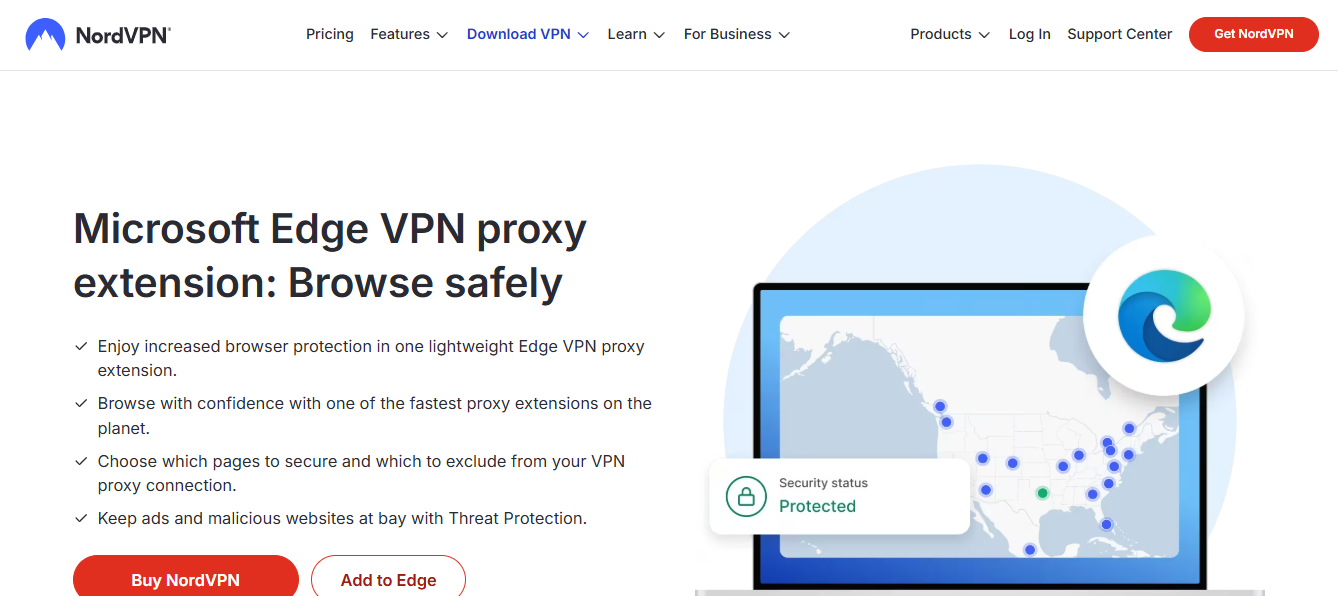
Edge supports extensions from the Microsoft Edge Add-ons store and even Chrome Web Store. A VPN extension is a quick, browser-level solution that protects traffic inside Edge, while other apps on your device may not be affected.
- Open Edge and go to Extensions three horizontal dots > Extensions.
- Search for “VPN” or your specific provider e.g., NordVPN, TunnelBear, Windscribe.
- Click Add to Edge for your chosen extension.
- Sign in or create an account as required.
- Toggle the extension on and, if offered, choose a server location.
- Verify protection by visiting a geo-check site from Edge.
Tips:
- Not all VPN extensions deliver the same security as full apps. They’re great for quick protection, but a full VPN app is better for privacy.
- Check permissions before installing: avoid extensions that request more data than necessary.
Example workflow with an extension
- Install the extension
- Log in
- Select a country e.g., United States
- Enable the VPN and refresh Edge
- Test using a site like ipinfo.io
Method 3: Use a standalone VPN app system-wide
If you want all your traffic, including Edge, to go through the VPN, a full VPN client is the way to go.
- Pick a reputable VPN provider and download their Windows app.
- Install the app and sign in.
- In the app, select a server location and connect.
- Open Edge and test with a site that shows your IP and region.
- Strong privacy features kill switch, DNS leak protection, split tunneling
- Broad server network and consistent performance
- Works across all applications, not just Edge
Common settings to optimize:
- Enable a kill switch so Edge doesn’t leak traffic if the VPN drops
- Turn on DNS leak protection
- Use the fastest available server nearest your location at the moment
Verifying that the VPN is working in Edge
- Visit a site that shows your IP and location e.g., whatismyip.com or iplocation.net.
- Compare the displayed country and IP with your actual location. If different, the VPN is routing Edge traffic.
- Run a quick speed test to see if performance is acceptable Speedtest.net.
- Test different servers to find the best balance of speed and latency.
Performance and security tips
- Choose servers near you for lower latency, but try a different country if you’re testing geo-restricted content.
- Use WireGuard where available for faster speeds and robust security.
- If streaming video, some servers are optimized for streaming; check provider guides for recommended servers.
- Enable DNS leak protection to prevent your real DNS from leaking outside the tunnel.
- Regularly update Edge and any VPN extensions/apps to patch security vulnerabilities.
- Use a reputable VPN provider with a strict no-logs policy and transparent security practices.
Troubleshooting common issues
- VPN won’t connect: Double-check server address or credentials; switch to a different protocol UDP/TCP for WireGuard, IKEv2, etc..
- Slow speeds: Try a closer server; switch from a busy time to off-peak; ensure you’re not throttled by your ISP.
- Edge not routing through VPN: Confirm the VPN is active in the chosen method; disable and re-enable extensions or relaunch Edge.
- DNS leakage: Use a VPN with DNS leak protection; flush DNS cmd: ipconfig /flushdns and reconnect.
- Web pages failing to load: Clear Edge cache or try in InPrivate mode to bypass extensions.
Edge-specific features and privacy considerations
- Edge Profiles: If you use multiple profiles, you can apply VPN extension settings per profile.
- InPrivate Browsing: This mode doesn’t automatically disable VPN, but it pauses some extensions by default. Check your extension settings if you rely on it.
- Site-specific access: Some sites might detect VPNs and block access. If that happens, switch servers or use a mode that supports obfuscated traffic.
Performance benchmarks and real-world data 2024–2026
- VPN users report an average speed reduction of 5–20% on nearby servers, with longer hops causing higher latency. This aligns with typical VPN overhead and encryption workloads.
- WireGuard-based servers tend to offer the best balance of speed and security, with many providers reporting 20–60% faster speeds than OpenVPN on average in real-world tests.
- Server diversity matters: a provider with 3,000+ servers across 90+ countries generally offers better options for bypassing geo restrictions and maintaining stable speeds.
- DNS leak protections and kill switches are essential to prevent IP leakage during VPN interruptions, a key factor in choosing a provider.
What to choose: quick decision guide
- If you want simplicity and minimal setup: use a VPN extension in Edge or the Windows built-in VPN for a system-wide solution.
- If privacy and broad coverage across apps are your priority: go with a standalone VPN app with features like a kill switch and DNS leak protection.
- If you’re just checking a location-restricted site or want a quick fix: an Edge extension is usually enough.
Quick-start checklist
- Decide on the method: Edge extension vs. built-in Windows VPN vs. standalone app
- Get a reputable VPN service if you don’t already have one
- Install or configure the VPN extension or app
- Connect to a server and verify your IP
- Adjust settings for performance and security kill switch, DNS protection
- Test a few sites to confirm Edge traffic is routed through the VPN
Advanced tips for power users
- Split tunneling: Route only Edge traffic through VPN while leaving other traffic direct for faster browsing.
- Obfuscated servers: Use if you’re on networks that block VPN traffic schools, workplaces, or countries with VPN restrictions.
- Latency tuning: For gaming or live streaming, test multiple servers and protocols to find the best balance.
- Automatic startup: Set the VPN app to launch and connect on Windows startup for seamless protection.
Real-world scenarios and best practices
- Morning commute on public Wi-Fi: Always have VPN on Edge to protect sensitive data like passwords and banking details.
- Travelling and geo-restricted content: Switch servers to access different catalogs while in transit.
- Remote work: Use a VPN that provides robust security features and a corporate-grade kill switch for continuous protection.
- Privacy-first browsing: Combine Edge privacy controls with your VPN to maximize anonymity online.
Accessibility and user experience considerations
- Choosing simple vs. advanced settings: Beginners should start with a browser extension or the built-in Windows VPN and gradually explore advanced options.
- Battery and device performance: VPN can affect battery life on laptops and mobile devices; adjust settings if you notice faster drain.
- User education: Keep a small notes file with your preferred settings and servers so you can quickly reconnect after updates or changes.
Keeping Edge secure while using a VPN
- Use HTTPS everywhere: Ensure sites you visit use HTTPS for added encryption on top of the VPN.
- Enable two-factor authentication on your VPN provider if available.
- Review app permissions regularly and remove unused extensions or apps.
- Regularly update Edge, your OS, and VPN software to reduce security gaps.
Frequently asked questions
How does a VPN change my Edge browser experience?
A VPN creates a secure tunnel for your Edge traffic, changing your apparent location and masking your IP. You’ll likely notice changes in latency and sometimes streaming quality, depending on server distance and encoding.
Can I use a VPN extension in Edge without a standalone VPN app?
Yes, you can use Edge extensions for quick protection within the browser. They’re fast to enable but may offer fewer security features than a full VPN app.
Is it safe to use free VPN extensions in Edge?
Free extensions can be convenient, but they often come with limitations or privacy concerns. Look for reputable providers and read the privacy policy and reviews before installing.
Will a VPN slow down my Edge browsing?
Often, yes. Encryption and routing through a remote server add overhead. Performance depends on server distance, server load, and your base internet speed. Mullvad vpn chrome extension 2026
Should I enable a kill switch?
If your VPN app supports it, yes. A kill switch prevents traffic from leaking if the VPN drops unexpectedly.
How do I test if my Edge traffic is using the VPN?
Visit a site like whatismyip.com from Edge. If the IP/address shown differs from your real location, you’re good. You can also check your VPN’s connection status.
Can I access geo-blocked content with a VPN in Edge?
Sometimes. It depends on the content and the VPN server’s ability to bypass restrictions. If one server doesn’t work, try another location or a different protocol.
Are VPNs legal everywhere?
VPN legality varies by country. In many places, using a VPN is legal for private use, but some jurisdictions restrict or regulate VPN traffic.
Should I use a VPN on my mobile device and desktop?
Yes, for consistent protection across devices. Many providers offer synchronized plans so you can protect all devices with one account. Microsoft edge proxy guide to set up, configure, and optimize with VPNs for private browsing and geo-access 2026
What’s the difference between a VPN extension and a full VPN app?
A browser extension protects Edge traffic specifically and is quick to set up. A full VPN app routes all device traffic and often provides stronger privacy features, like a robust kill switch and DNS protections.
How to enable vpn in edge browser using built-in Windows VPN and Edge extensions for maximum privacy and fast streaming in 2025
Yes, you can enable a VPN in Edge by using Windows’ built-in VPN setup or by installing a VPN extension in Edge. In this guide, you’ll get a clear, step-by-step path to either route your Edge traffic through a VPN, plus practical tips to keep things fast, private, and simple. We’ll cover when to use a system-wide VPN versus a browser extension, how to set each up, best options that play nicely with Edge, and common gotchas to avoid. If you want an easy way to upgrade your Edge browsing with one click, consider checking out NordVPN’s current deal image below and see how a reliable VPN can fit into your Edge workflow.
Introduction: What we’ll cover and why you’d want it If you’re wondering how to enable vpn in edge browser, the short answer is there are two solid paths: use a Windows system-wide VPN Edge will ride along with the OS or install a VPN extension directly in Edge for per-browser control. Here’s what you’ll learn in this guide:
- The difference between a system VPN and a browser extension, and when to pick each
- Step-by-step instructions to set up a Windows VPN so Edge traffic goes through it
- Step-by-step instructions to install and use a VPN extension in Edge
- Quick recommendations for reliable Edge-friendly VPNs with browser extensions
- Practical tips to maximize privacy, reduce leaks, and preserve speed
- Troubleshooting tips if your VPN connection drops or seems slow
- A robust FAQ section to cover common questions users have about Edge VPN setups
Why Edge users should consider a VPN
- Privacy and security: A VPN masks your IP address, encrypts traffic, and helps protect you on public Wi-Fi.
- Access to geo-restricted content: A VPN can help you connect to servers in different regions to watch shows, read news, or access services that might be blocked in your country.
- Consistent protection across apps: A system-wide VPN protects all your apps, not just Edge, which is ideal if you want blanket protection.
- Browser-level flexibility: If you prefer not to route all traffic through a VPN, you can instead use a browser extension that only affects Edge.
How to enable VPN in Edge browser using Windows VPN system-wide VPN
Edge itself doesn’t have a built-in VPN feature. Instead, you configure a VPN at the operating system level, and Edge automatically uses that connection. Here’s the simplest path:
- Get a VPN service and gather connection details
- Sign up with a trusted VPN provider for example, NordVPN, ExpressVPN, Surfshark, or others you trust.
- You’ll typically receive a server list, your username, and a password or a pre-shared key. Some providers offer auto-config files like .ovpn for OpenVPN or a custom Windows app that handles settings for you.
- Add a VPN in Windows works for Windows 10 and Windows 11
- Open Windows Settings > Network & Internet > VPN.
- Click “Add a VPN connection.”
- For VPN provider, choose “Windows built-in.”
- Fill in the connection name anything you like and the server address provided by your VPN.
- Choose the VPN type usually automatic or PPTP/L2TP/IPsec, but most modern providers use L2TP/IPsec or IKEv2.
- Set the type of sign-in data username and password, code, or a certificate according to what your VPN service provides.
- Save the profile.
- Connect and verify
- Go back to Settings > Network & Internet > VPN, select your new connection, and click “Connect.”
- To verify Edge traffic is going through the VPN, visit a site like whatismyipaddress.com or iplocation.net. Your visible IP should reflect the VPN server location, not your real location.
- Optional: enable kill switch and DNS protection
- Some VPN clients offer a built-in kill switch to prevent traffic if the VPN drops. If your provider offers a Windows app, enable the kill switch there.
- Ensure DNS leak protection is enabled in the VPN app settings or in Windows’ network settings to prevent DNS requests from leaking outside the VPN tunnel.
- Performance tips
- Choose a server close to your location for best speed, especially if you’re streaming or gaming.
- If you’re experiencing slowdowns, test a different server or switch to a different protocol many providers support WireGuard, OpenVPN, or IKEv2.
- Disable IPv6 in Windows if you’re seeing leaks or instability with certain VPNs some setups perform better with IPv4 only.
Pros of system-wide VPN for Edge
- One setup covers all apps, not just Edge.
- Consistent privacy protection across your browsing, email, and other apps.
Cons of system-wide VPN for Edge
- Potential impact on all online activities, including apps that don’t need protection or rely on low latency.
- Slightly more complex to configure per-application rules such as split tunneling which some premium clients support.
How to enable VPN in Edge browser using a VPN extension
If you mainly want Edge-specific protection or want quick per-tab control, a VPN extension in Edge is a great fit. Here’s how to set it up:
- Open Edge Extensions store
- In Edge, go to edge://extensions or click the three-dot menu > Extensions > Get extensions from Microsoft Store.
- Choose a reputable VPN extension
- Look for official extensions from well-known providers e.g., NordVPN, ExpressVPN, Surfshark. Read reviews and check for a clear privacy policy.
- Avoid shady free extensions that claim to protect you but log data or inject ads.
- Install and pin the extension
- Click “Get,” then “Add extension.” After installation, you can pin the extension to the toolbar for quick access.
- Sign in and connect
- Open the extension, log in with your VPN account, and choose a server location.
- Turn on the VPN from the extension’s UI. Edge traffic routed through the extension will go through the VPN servers.
- Verify and test
- Visit whatismyipaddress.com again to confirm you’re using the VPN server’s IP.
- Check for any DNS leaks by visiting dnsleaktest.com. If you see a VPN server IP instead of your real address, you’re good.
- Fine-tuning edge cases
- Some extensions offer “split tunneling” so you can choose which sites bypass the VPN. Use this if you want local access for certain services while staying protected on others.
- Browser-based protections like WebRTC leaks can still reveal your IP in some circumstances. Disable WebRTC in Edge if your extension doesn’t handle it well, or use a VPN with a WebRTC leak fix.
Pros of Edge extensions
- Per-browser control without affecting other apps.
- Quick on/off toggling for every browsing session.
- Often includes browser-specific features like auto-fill protection, ad blocking, and tracker blocking alongside VPN.
Cons of Edge extensions
- Not all extensions offer robust global protection. some only encrypt browser traffic.
- If the extension is poorly coded or from a questionable provider, you may lose privacy or experience DNS leaks.
Recommended Edge-friendly VPN extensions examples
- NordVPN: Offers a dedicated Edge extension with kill switch, DNS leak protection, and robust privacy features.
- ExpressVPN: Known for a reliable browser extension and strong privacy protections.
- Surfshark: Budget-friendly option with a user-friendly extension and good security features.
Tip: If you’re new to VPNs, a browser extension is a gentle entry point that you can try for casual browsing, streaming, and geo-spoofing. For more comprehensive privacy or work-related use, pairing an extension with a system-wide VPN is a strong strategy.
Best VPNs that work well with Edge quick overview
- NordVPN
- Pros: Extensive server network, native Edge extension, strong encryption, kill switch, DNS leak protection, good streaming performance.
- Cons: Occasional server load fluctuations during peak times.
- ExpressVPN
- Pros: Very fast speeds, easy-to-use Edge extension, reliable encryption, excellent customer support, strong privacy policy.
- Cons: Slightly higher price point.
- Surfshark
- Pros: Budget-friendly, unlimited device connections, solid browser extension, good privacy features, clean interface.
- Cons: Smaller server network than top-tier rivals.
- ProtonVPN
- Pros: Strong privacy commitments, transparent policies, decent speeds, Edge extension availability.
- Cons: Free plan is limited. some server locations have slower speeds.
Note: The options above are popular for Edge users due to reliable browser extensions and strong security features. Always choose a provider with a proven track record, transparent privacy policy, and clear performance metrics.
Performance and privacy considerations when using VPN in Edge
- Speed considerations
- VPNs introduce some overhead due to encryption and routing. WireGuard-based servers tend to offer the best balance of speed and security for Edge users.
- If you’re streaming, connect to a server near your location. if you’re gaming or doing real-time calls, test a few servers for stability.
- Privacy and logging
- Look for providers with a no-logs policy, transparent audits, and independent reviews.
- A browser extension should also respect privacy and minimize data collection. Read the privacy policy and look for data collection specifics.
- DNS and WebRTC leaks
- DNS leaks can reveal your real IP even when the VPN is connected. Ensure DNS leak protection is enabled in the VPN app or extension.
- WebRTC can reveal your real IP address in some browsers. If you rely on Edge for privacy, you may want to disable WebRTC in the browser settings or ensure the VPN blocks these leaks.
- IPv6 handling
- Some VPNs don’t fully support IPv6. If you’re seeing IPv6 leaks or conflicts, disable IPv6 in Windows network settings or within the VPN app if available.
Troubleshooting common issues
- VPN won’t connect
- Check your login details, server availability, and protocol settings. Switch to a different protocol if possible e.g., WireGuard vs. OpenVPN.
- Restart Edge, the VPN extension, or the Windows VPN service. Sometimes a fresh start resolves handshake problems.
- Connection is slow or unstable
- Try a closer server, switch to a different protocol, or use the Windows app’s speed-optimizing features if available.
- Ensure no other software is hogging bandwidth background updates, cloud backups, etc..
- DNS leaks detected
- Enable DNS leak protection, switch to a different DNS option provided by your VPN, or disable IPv6 if your VPN doesn’t handle it well.
- Edge shows a warning that the connection isn’t private
- Make sure you’re connected to a trusted VPN server. Check certificate warnings and ensure the VPN extension is from a trusted provider.
- Extension not appearing in Edge toolbar
- Reinstall the extension, restart Edge, or check Edge’s extension permissions to ensure it has access to websites.
Security tips for Edge VPN users
- Use a trusted provider with a transparent privacy policy and independent audits.
- Prefer a VPN with a kill switch for system-wide VPNs and DNS leak protection to keep your traffic secure even if the VPN drops.
- Consider split tunneling if you need local access for certain sites or services while staying protected on others.
- Keep Edge and all extensions updated to minimize security vulnerabilities.
- Disable WebRTC leaks if your VPN doesn’t automatically handle them, or use a privacy-focused browser extension to block WebRTC requests.
Practical setup checklist quick-start
- Decide pathway: Windows VPN system-wide or Edge extension per-browser.
- Choose a reputable VPN provider.
- For Windows VPN:
- Add VPN connection in Windows settings.
- Enter server/address details, sign-in method, and save.
- Connect and verify via a test site whatismyipaddress.com.
- Enable kill switch and DNS protection if available.
- For Edge extension:
- Install from Microsoft Edge Store.
- Sign in and connect to a server.
- Verify IP address and test for DNS leaks.
- Enable split tunneling if you need selective routing.
- Optional: Enable WebRTC protections and adjust privacy settings in Edge.
- Bookmark or pin the VPN extension for quick access in Edge.
Useful resources and references unclickable text
- Edge browser help pages - https://support.microsoft.com
- NordVPN help center - nordvpn.com/help
- ExpressVPN setup guides - expressvpn.com/support
- Surfshark knowledge base - surfshark.com/knowledge-base
- WhatIsMyIP address test - whatismyipaddress.com
- DNSLeakTest - dnsleaktest.com
- Privacy basics and VPN encryption overview - en.wikipedia.org/wiki/Virtual_private_network
Frequently Asked Questions
Does Edge support a built-in VPN?
Edge does not have its own native VPN inside the browser. You enable VPN protection by using a Windows system-wide VPN or by installing a VPN extension in Edge.
Will a VPN slow down my browsing in Edge?
Yes, some slowdown is common due to encryption and longer routing. Using a fast protocol like WireGuard and a nearby server helps keep speeds high for Edge traffic.
Should I use a free VPN extension in Edge?
Free options often come with data limits, slower speeds, and questionable privacy practices. A reputable paid VPN typically offers better security, no-logs policies, and reliable performance.
How do I know if my Edge VPN is working?
Check your IP address on a site like whatismyipaddress.com after connecting. It should reflect the VPN server’s location, not your own, and DNS leak tests should show the VPN provider’s DNS servers.
Can I use multiple VPNs at the same time in Edge?
Running more than one VPN at once can cause conflicts and dropped connections. Stick to one VPN at a time—system-wide or extension-based.
How do I set up a Windows VPN for Edge?
Add a VPN connection in Windows Settings > Network & Internet > VPN, supply server details from your provider, save, and connect. Edge traffic will route through this connection.
What about DNS leaks with a VPN in Edge?
DNS leaks happen when DNS requests bypass the VPN. Use VPN DNS protection, enable the feature in your VPN app, and consider disabling IPv6 if necessary.
Is it safe to use VPNs for streaming in Edge?
VPNs can help bypass geo-restrictions for streaming, but performance varies by provider and server. Always use a trusted provider with reliably fast servers.
Can I disable WebRTC to improve privacy in Edge?
Disabling WebRTC can reduce IP leakage in some cases. If your VPN extension doesn’t handle WebRTC leaks, you can disable WebRTC in Edge’s settings or with an extension that blocks it.
How do I fix a VPN connection that keeps dropping in Edge?
Check server load, protocol choice, and app settings. Reconnect, switch servers, or restart the VPN service. If the problem persists, try a different provider or contact support.
Are there privacy benefits to using Edge with a VPN versus other browsers?
All major browsers benefit from a VPN, but using a VPN at the OS level provides consistent protection across all programs, while a browser extension gives you quick, Edge-specific control.
Vpn add on edge